When fixing roses, the blade of an ordinary wire cutter chips on an old, tough branch, it’s a harmful and ineffective way. Suitable wire cutters can trim small branches or handle metal fences, significantly improving efficiency, ensuring safety, and providing precise cuts. To support professional gardeners, we have outlined common types, suitable scenarios, and key selection points for reference.
01 Wire Cutters for Daily Garden Maintenance
Daily garden maintenance involves tasks such as trimming branches, handling thin wires, and plastic ties. These jobs require wire cutters that balance flexibility and durability. Medium-sized diagonal cutters are recommended—they are neither too large and cumbersome nor too small and lacking in power.
Features of such wire cutters include a comfortable handle design to reduce hand fatigue during prolonged use, adequate cutting capacity to handle most common garden materials, and corrosion-resistant surface treatment to adapt to varying outdoor working environments.
Take an 8-inch diagonal cutter from a German brand as an example. It is forged from high-carbon steel and heat-treated to a hardness of HRC 58-62, capable of handling steel wires up to 4mm in diameter. The dual-color TPR soft rubber coating on the handles provides a good grip and vibration damping effect.
02 Wire Cutters for Professional Landscape Installation
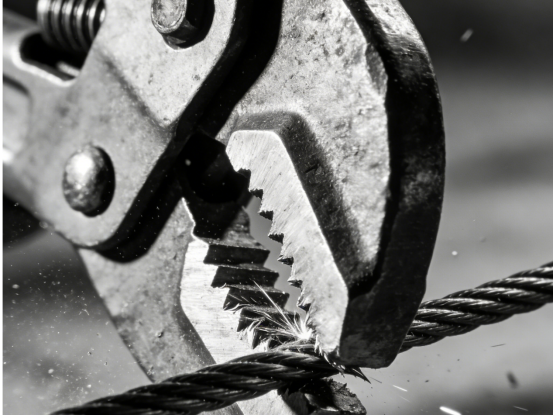
For professional landscape installation tasks such as fence installation or wire mesh construction, it is often necessary to handle thicker, tougher metal materials. In such cases, heavy-duty wire cutters or bolt cutters become essential tools.
The design focus of these tools is on power transmission efficiency and durability. The lever principle is widely applied, amplifying human force several times through longer handles or compound hinge structures, easily cutting metal materials up to 10mm in diameter.
03 Specialized Fence Wire Cutters
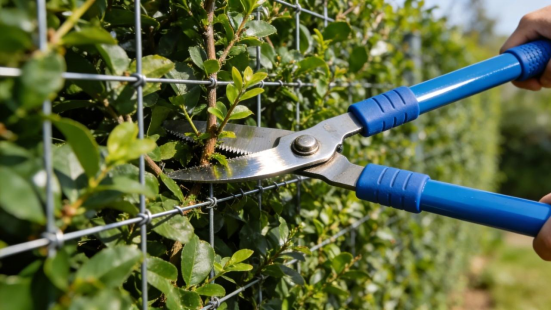
Garden fences typically use galvanized iron wire or steel mesh, materials that need to maintain a certain toughness while resisting outdoor corrosion. Wire cutters designed specifically for these materials require specially designed jaws to prevent sharp burrs from forming on wire ends after cutting.
Wire cutters designed for fencing work often feature curved jaws. This design not only reduces cutting resistance but also creates relatively smooth wire ends after cutting, lowering the risk of installers getting scratched.
A fence-specific cutter on the market utilizes a dual-leverage enhancement mechanism, allowing an average gardener to cut No. 8 galvanized wire single-handedly. Its replaceable blade design significantly extends the tool’s service life—when the jaws wear out, only the blade needs replacing, not the entire tool.
04 Wire Cutters for Identifying and Handling Electrical Wires
Professional garden work may occasionally involve handling electrical wires. In such cases, safety becomes the primary consideration. For potentially live work environments, insulated wire cutters must be used. These tools typically have distinctive color coding (such as orange or yellow handles) and are marked with their insulation rating.
The handles of professional insulated wire cutters are made of multi-layer composite insulating material, capable of withstanding working voltages up to 1000V, providing basic safety protection for gardeners. Additionally, the jaws of these tools require special design to prevent spark generation during cutting.
It’s worth noting that even when using insulated wire cutters, gardeners should first use a voltage tester to confirm the status of the wire and follow local safe work practices before handling potentially live wires.
05 Specialized Cutters for Rose and Thorn Pruning
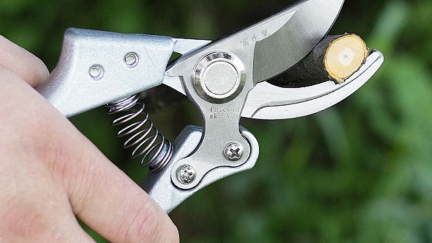
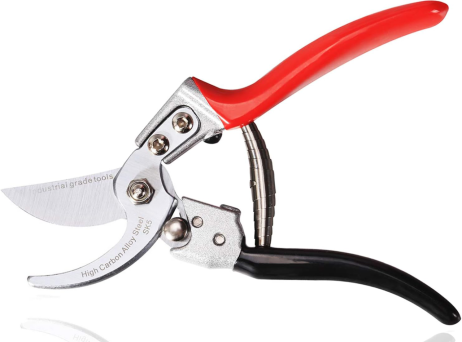
Pruning thorny plants like roses requires wire cutters with extremely high precision. They must cut branches cleanly while minimizing crushing damage to fragile stems. These cutters typically feature extremely sharp jaws with tight alignment, capable of completing cuts with minimal pressure.
To accommodate rose branches of different thicknesses, professional rose pruning cutters often come in various sizes. Smaller models are suitable for fine pruning and floral shaping, while larger models can handle older, thicker stems.
A Japanese-made rose pruning cutter uses precision-ground SK-5 steel blades that retain sharpness three times longer than ordinary tools. Its spring-assisted opening design reduces hand fatigue during repetitive pruning, making it particularly suitable for daily maintenance in large rose gardens.
06 Multi-Function Combination Wire Cutters
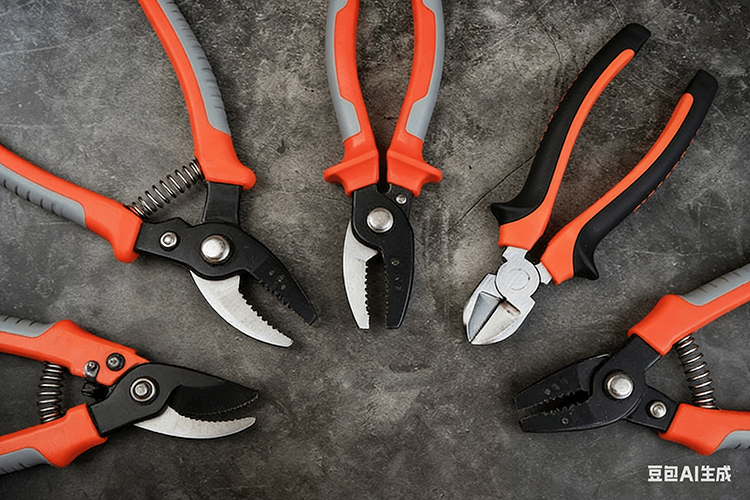
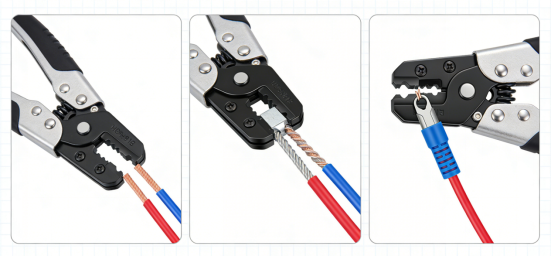
For gardeners, the versatility of tools can often reduce carrying load and increase efficiency. Multi-function wire cutters integrate cutting, stripping, and crimping capabilities, making them especially suitable for landscaping tasks like electrical installation or irrigation system maintenance that involve handling multiple jobs simultaneously.
These tools typically feature a modular design, allowing the interchangeability of different functional heads or attachments based on the specific task. The core cutting function of a high-quality garden multi-function cutter should not be compromised by the integration of other features.
Mature multi-function cutters on the market often employ replaceable blade systems and ergonomic multi-position handles to accommodate different operating angles and force requirements. Some high-end models also incorporate wire-bending functions, convenient for gardeners to make hooks or connectors on-site.
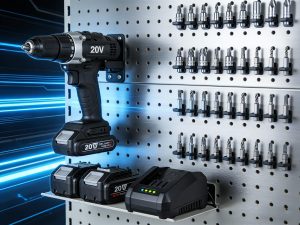
A professional-grade, high-strength wire cutter easily shears through the troublesome rusty wire that had been plaguing the gardener, leaving a clean, burr-free cut and instantly boosting work efficiency. Not far away, on the tool wall, different types of wire cutters are neatly arranged, each corresponding to a specific application scenario in gardening work.
Choosing garden tools is like a gardener selecting plants—the right one is the best one. When the tool perfectly matches the task, garden work is no longer a physical drain but a harmonious dialogue between skill and nature. Professional gardeners understand that the return on investment in quality tools is reflected not only in work efficiency but also in work quality and career longevity.
FAQ
Q1: How do I choose the right wire cutter for basic garden maintenance?
A: For general tasks like trimming plant ties, thin wires, and small branches, a 6-8 inch-sized diagonal cutter is wider. Look for features like comfortable, non-slip handles and blades made from hardened steel for durability and clean cuts.
Q2: What’s the key difference between a standard wire cutter and an insulated one?
A: The primary difference is safety. Insulated wire cutters provide a degree of protection against electric shock if you accidentally contact live wires. They are rated for specific voltages. Always de-energize circuits if possible before cutting, even with insulated tools.